

Neuroplasticity is one of the most exciting discoveries in modern brain science, changing the way we understand the human mind. For a long time, scientists believed that the brain stopped developing after childhood and that damaged brain cells could never be repaired. Today, we know that the brain is not fixed or static. Instead, it is flexible, adaptable, and constantly changing in response to experiences, thoughts, emotions, and habits. This ability of the brain to reorganize and rewire itself is called neuroplasticity, and it plays a powerful role in improving mental health, learning, memory, and emotional resilience.


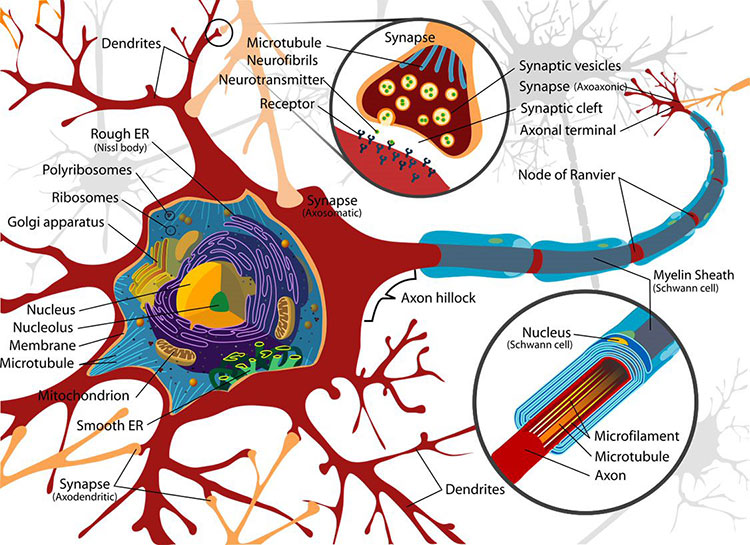

At its core, neuroplasticity means that your brain can create new neural connections and strengthen or weaken existing ones. Neurons, the brain’s nerve cells, communicate with each other through electrical and chemical signals. When you practice a new skill, think in a certain way, or repeat a behavior, specific neural pathways are activated. The more often a pathway is used, the stronger it becomes. This is why habits, both positive and negative, can feel so automatic. Your brain literally builds “fast roads” for repeated thoughts and actions, making them easier to perform over time.
One of the most powerful aspects of neuroplasticity is its impact on mental health. Conditions such as anxiety, depression, post-traumatic stress disorder, and even addiction are no longer seen purely as chemical imbalances. They are increasingly understood as patterns of neural activity that have become deeply ingrained. Negative thought loops, chronic fear responses, and self-critical inner dialogue are strengthened through repetition. The good news is that just as the brain can learn harmful patterns, it can also unlearn them and replace them with healthier ones. This concept gives real scientific hope to people who feel “stuck” in their mental health struggles.
Therapies like Cognitive Behavioral Therapy (CBT) are based on the principles of neuroplasticity. When a person learns to challenge negative thoughts and replace them with balanced, realistic ones, the brain starts to weaken the old fear-based circuits and build new, healthier ones. Over time, this rewiring makes positive thinking feel more natural and reduces emotional suffering. Mindfulness and meditation also harness neuroplasticity by training the brain to focus, observe thoughts without judgment, and regulate emotional reactions. Brain imaging studies have shown that consistent meditation can physically change the structure of areas linked to attention, memory, and emotional control.
Learning and skill development are also deeply connected to neuroplasticity. Whether you are learning a new language, playing a musical instrument, or mastering a sport, your brain is constantly adapting. Each time you practice, the connections between neurons become more efficient and faster. This is why repetition and consistency are more important than talent. Even adults, who were once believed to have “fixed” brains, can develop entirely new abilities through focused training. Age does not stop neuroplasticity; it only means the process may be slower and require more deliberate practice.
Lifestyle choices can significantly influence how well your brain rewires itself. Physical exercise is one of the most powerful natural stimulators of neuroplasticity. Movement increases blood flow to the brain and promotes the release of brain-derived neurotrophic factor (BDNF), a protein that supports the growth and survival of neurons. Quality sleep is equally important, as the brain consolidates learning and repairs neural connections during deep sleep. Nutrition also plays a role, with omega-3 fatty acids, antioxidants, and proteins supporting brain health. Even social interaction contributes by stimulating emotional and cognitive circuits.
Stress, on the other hand, can negatively affect neuroplasticity when it becomes chronic. High levels of cortisol, the body’s stress hormone, can damage parts of the brain involved in memory and emotional regulation. This is why managing stress through breathing exercises, relaxation techniques, time in nature, and emotional support is essential for maintaining a healthy, adaptable brain. The brain thrives in environments that are safe, engaging, and emotionally supportive.
The practical application of neuroplasticity is empowering. You can actively shape your brain every day through your thoughts, habits, and behaviors. Replacing negative self-talk with constructive inner dialogue, practicing gratitude, learning new skills, and maintaining healthy routines gradually change how your brain is wired. Small daily actions, when done consistently, can lead to profound long-term changes in how you feel, think, and respond to life’s challenges.
In simple terms, neuroplasticity means you are not stuck with the brain you were born with. You are constantly building and rebuilding your mind through your experiences. This scientific understanding offers hope for recovery from mental health challenges, improvement in emotional well-being, and the possibility of lifelong learning. By understanding and embracing neuroplasticity, you unlock the ability to reshape your brain in ways that support clarity, resilience, happiness, and better mental health.



0 Comments